
Practical guidance on EV batteries, powertrain integration, controls, safety, testing, and production readiness, grounded in EVDrive engineering experience.
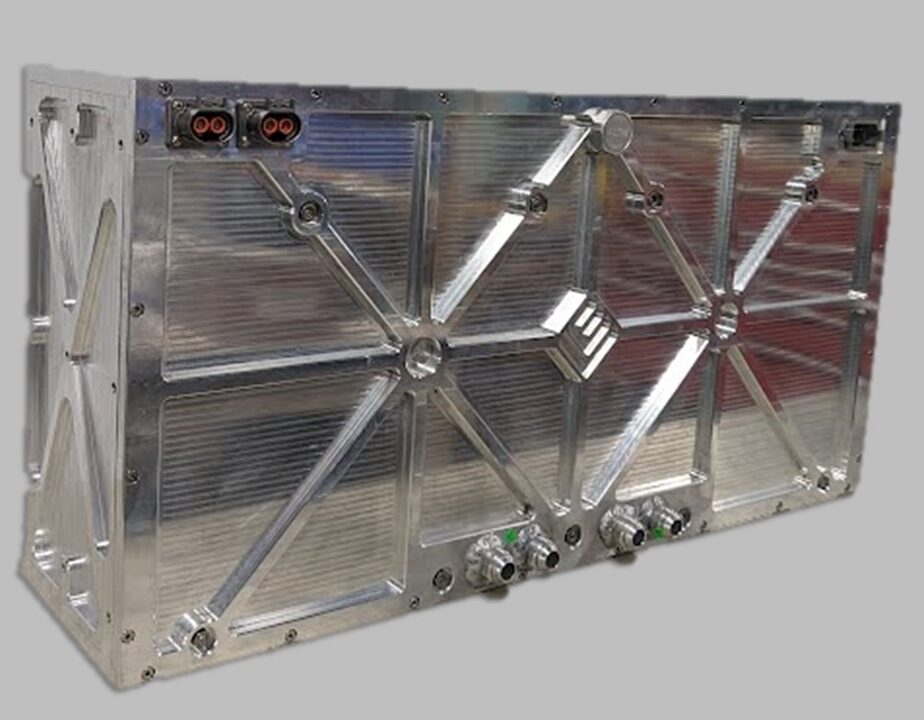
High-performance pack design balances four decisions made together: cell selection, thermal management, mechanical structure, and BMS integration.
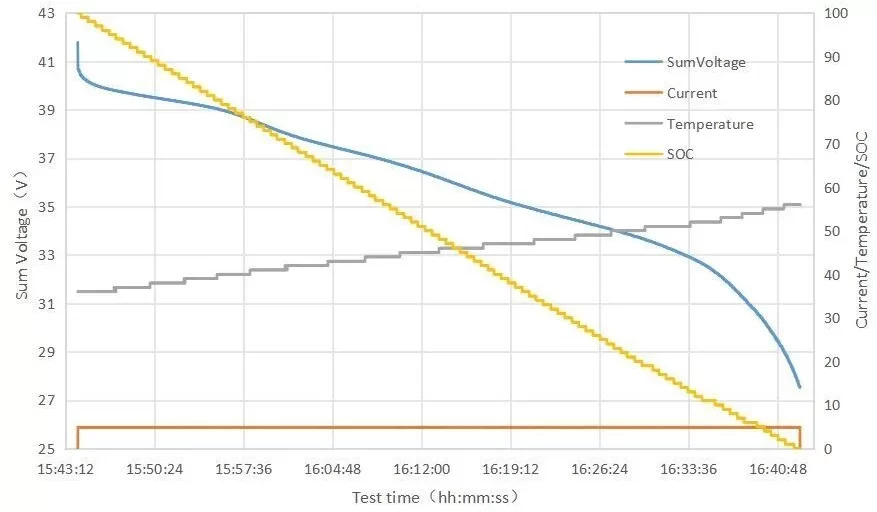
Energy density, thermal behavior, pack count, and cost compared for the two cylindrical formats, so you can pick the right cell.
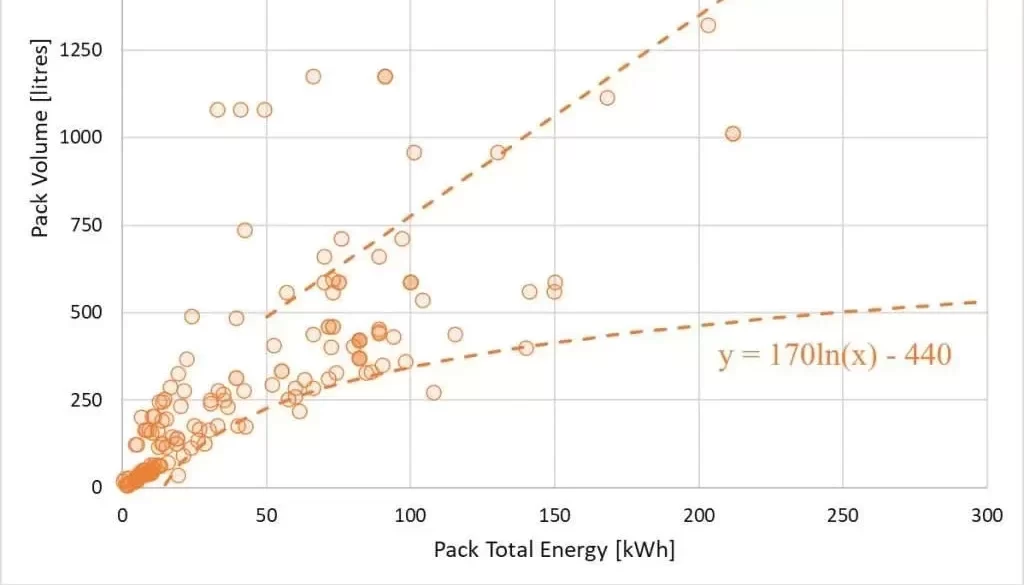
Energy density sets range, power density sets performance and fast charge. Why the two trade off, and how to balance them.
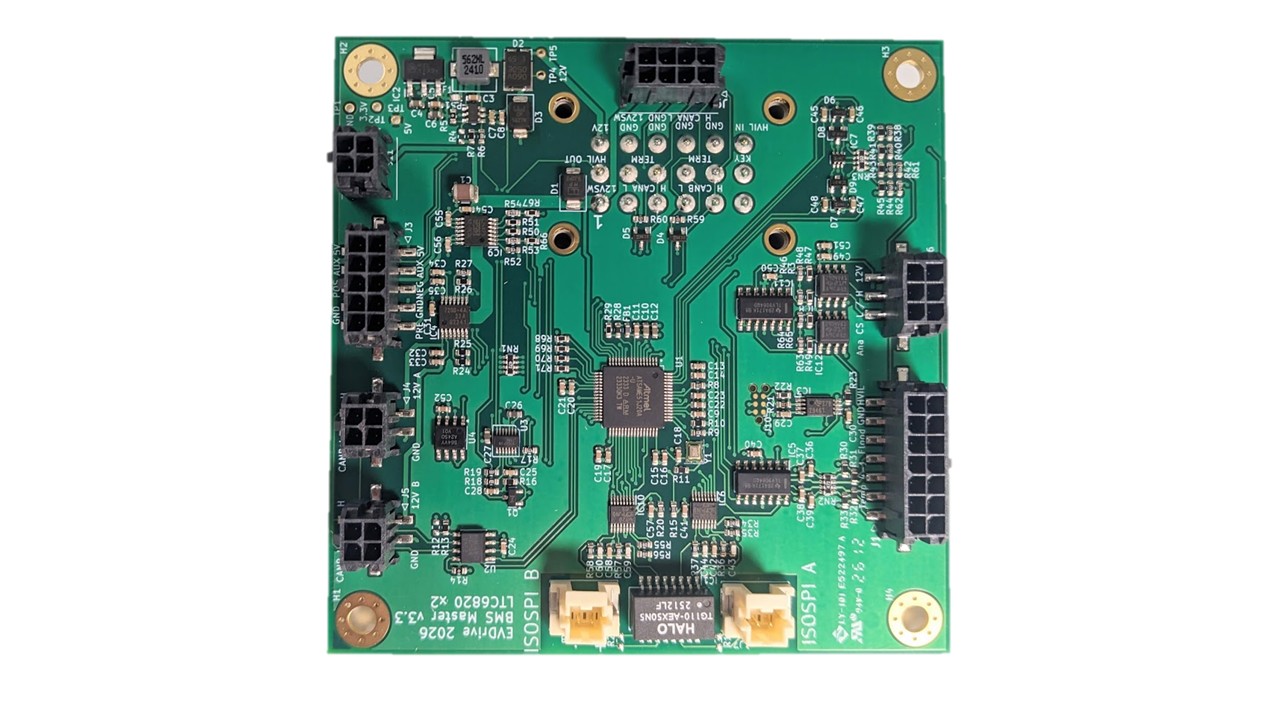
Choosing an EV BMS comes down to four things: chemistry fit, hard safety limits, real cell balancing, and documented communication.
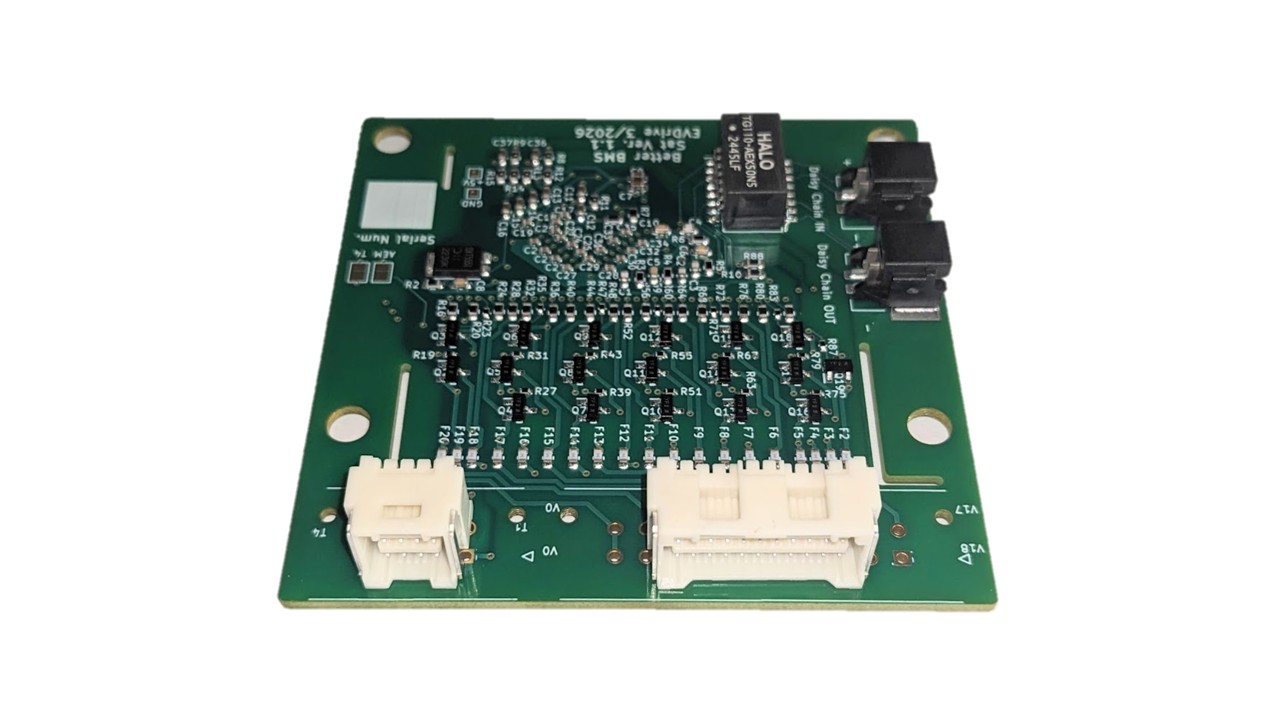
The spec sheet is the easy part. Here are the four things that actually decide whether an EV BMS protects your pack or just monitors it.
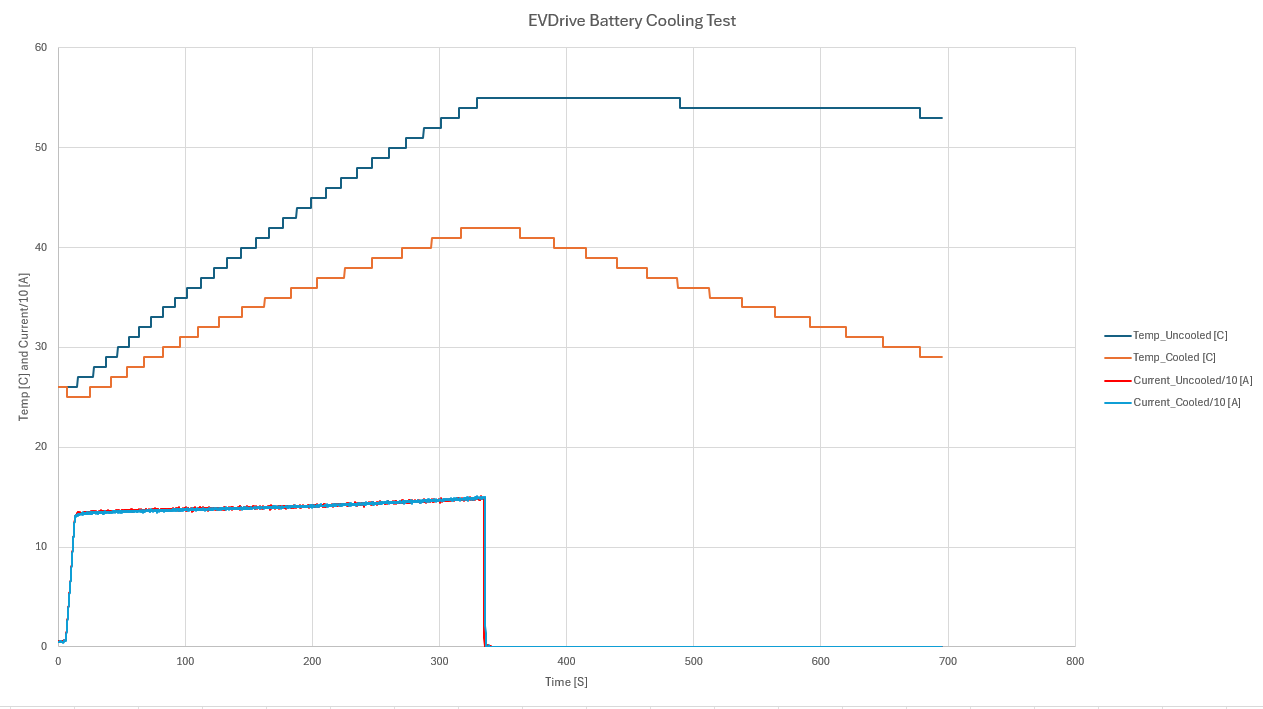
Liquid cooling moves heat faster and holds a tighter cell temperature spread, while air cooling stays simpler and lighter.
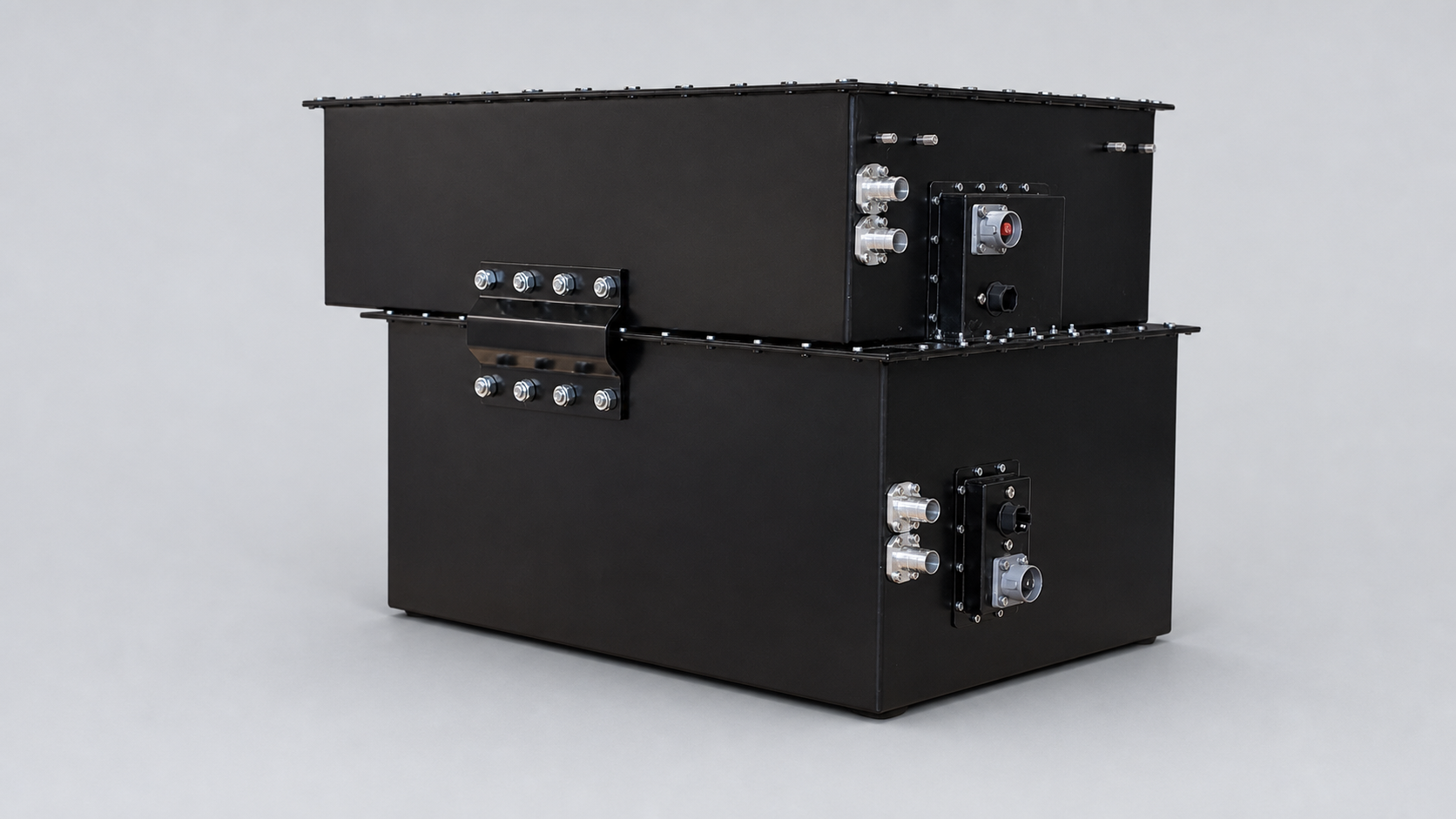
Turning one working prototype into a repeatable, validated pack: design freeze, validation testing, cell supply, and process control.
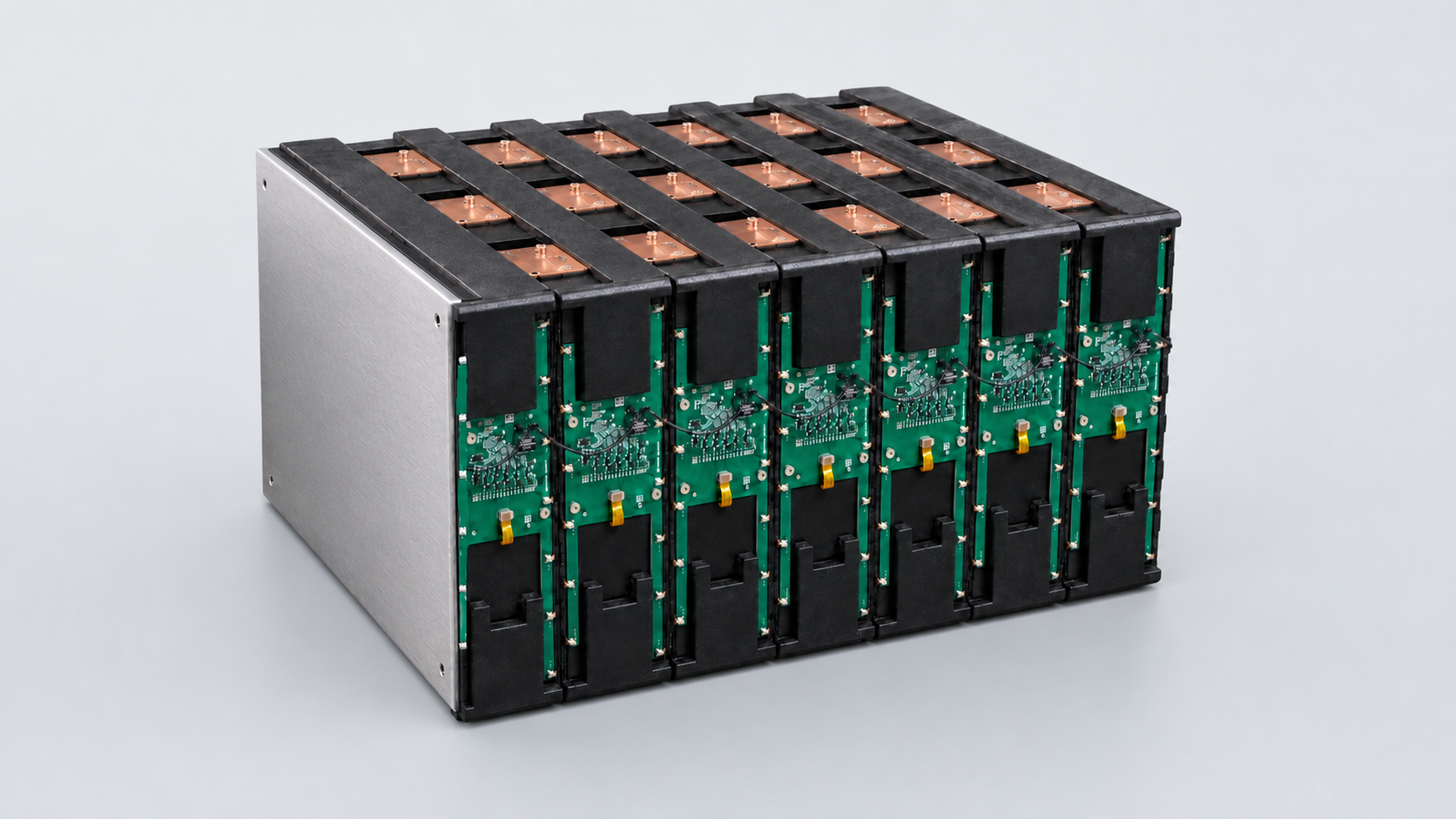
Battery safety rests on cell-level monitoring that catches faults early and fault tolerance that contains them before they cascade.
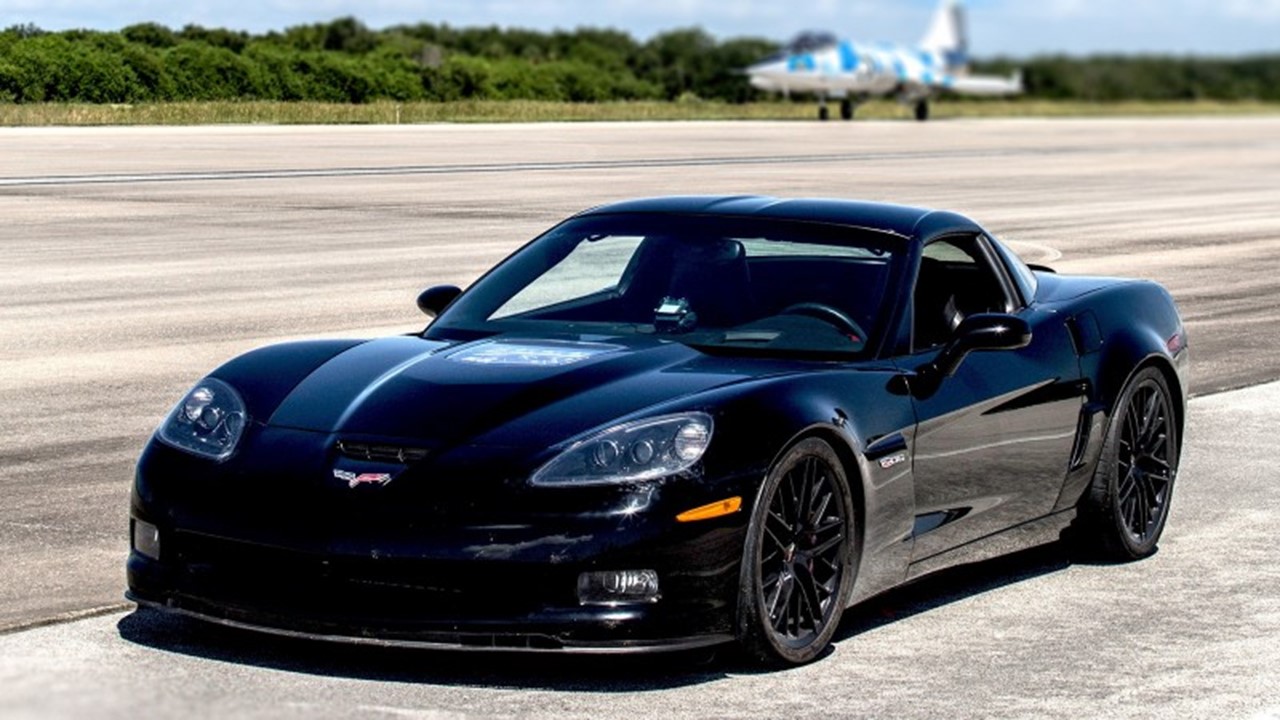
Spec a motorsport pack the right way: work backward from stint energy, peak power, C-rate, and cooling to a pack that holds pace.
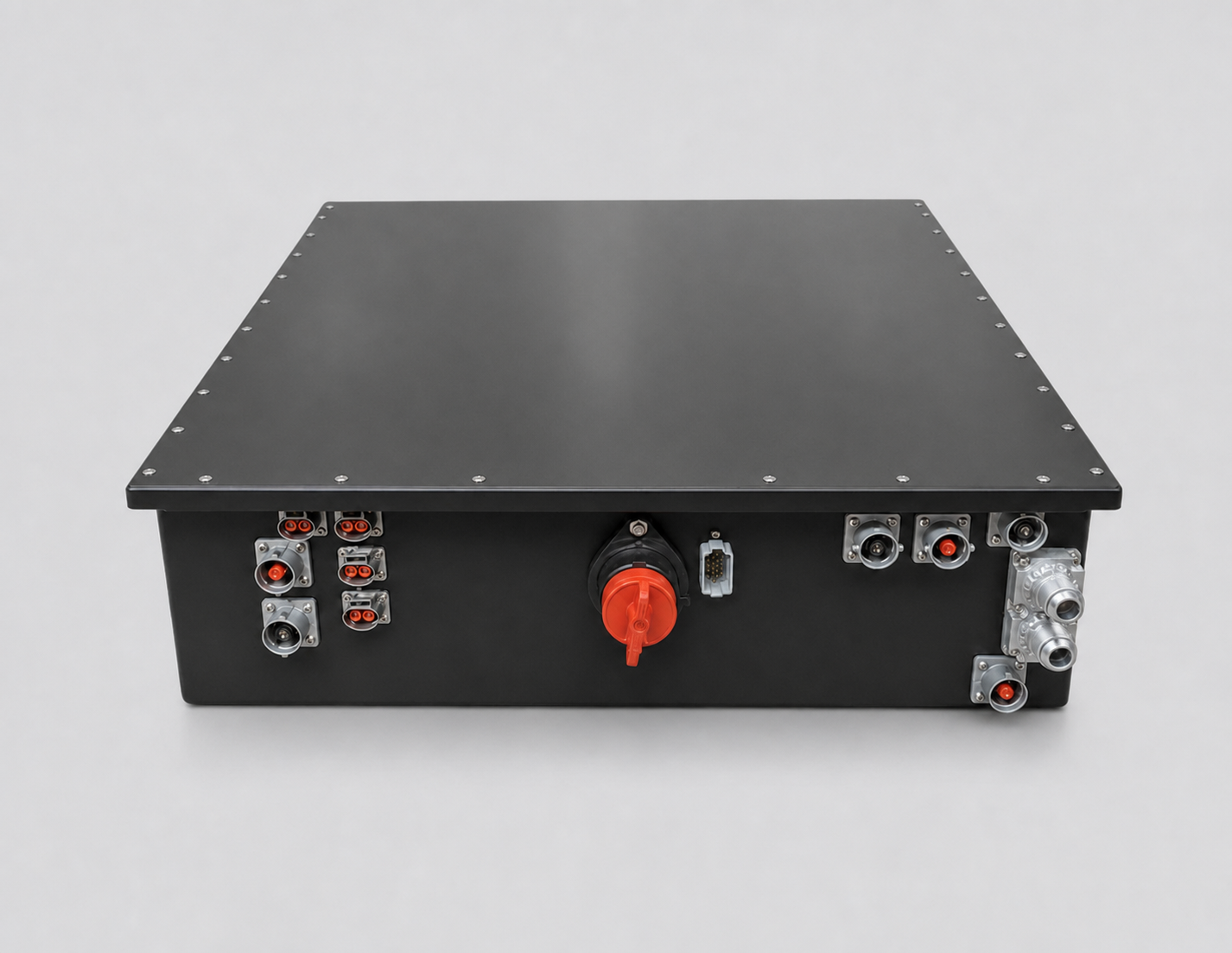
How small OEMs get custom packs built right: cells and BMS matched to your duty cycle, validated for safety, scaled to production.
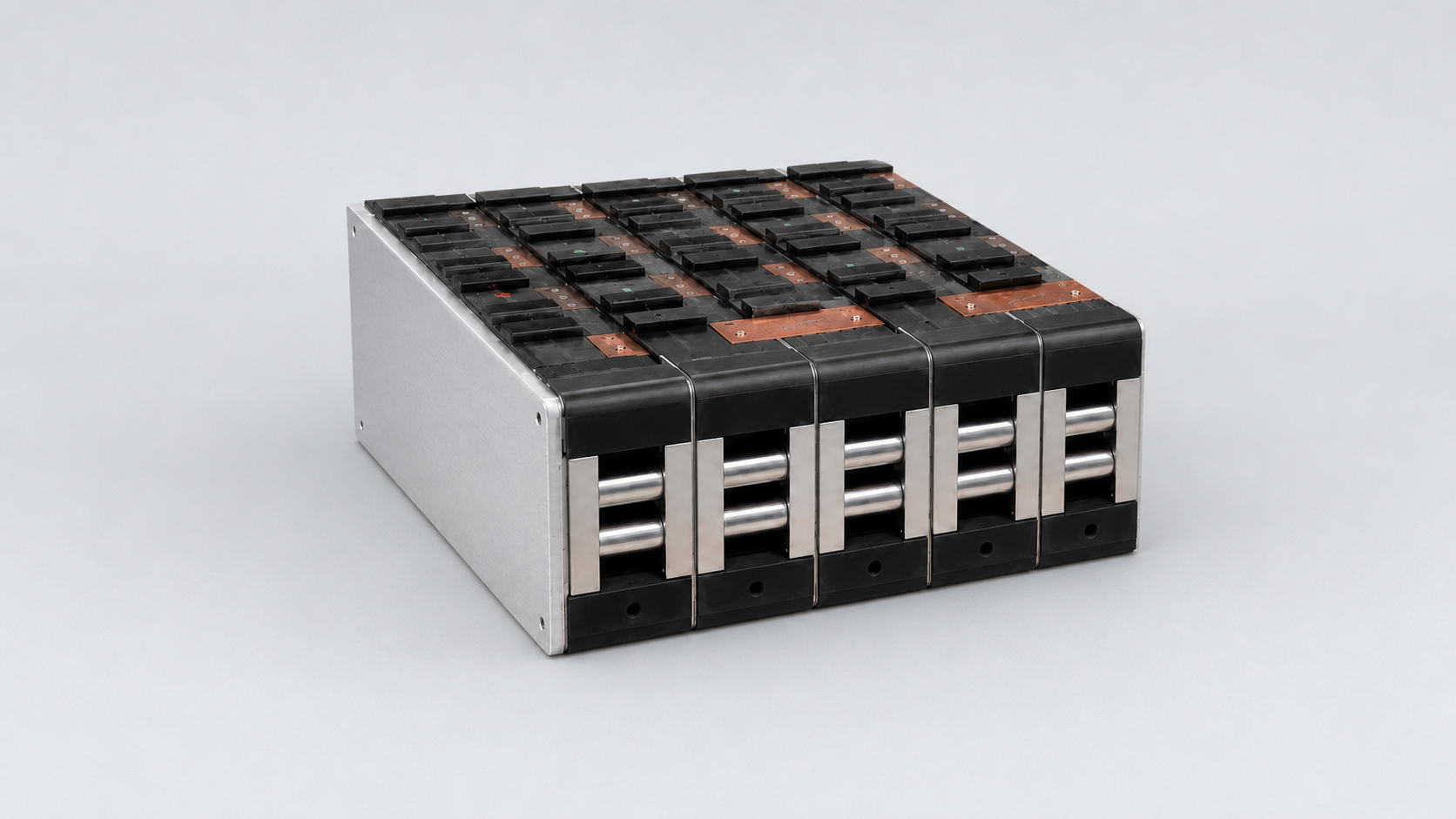
What actually makes a module power-dense: the right cell, low-resistance interconnects, cooling that holds every cell in window, a precise BMS.
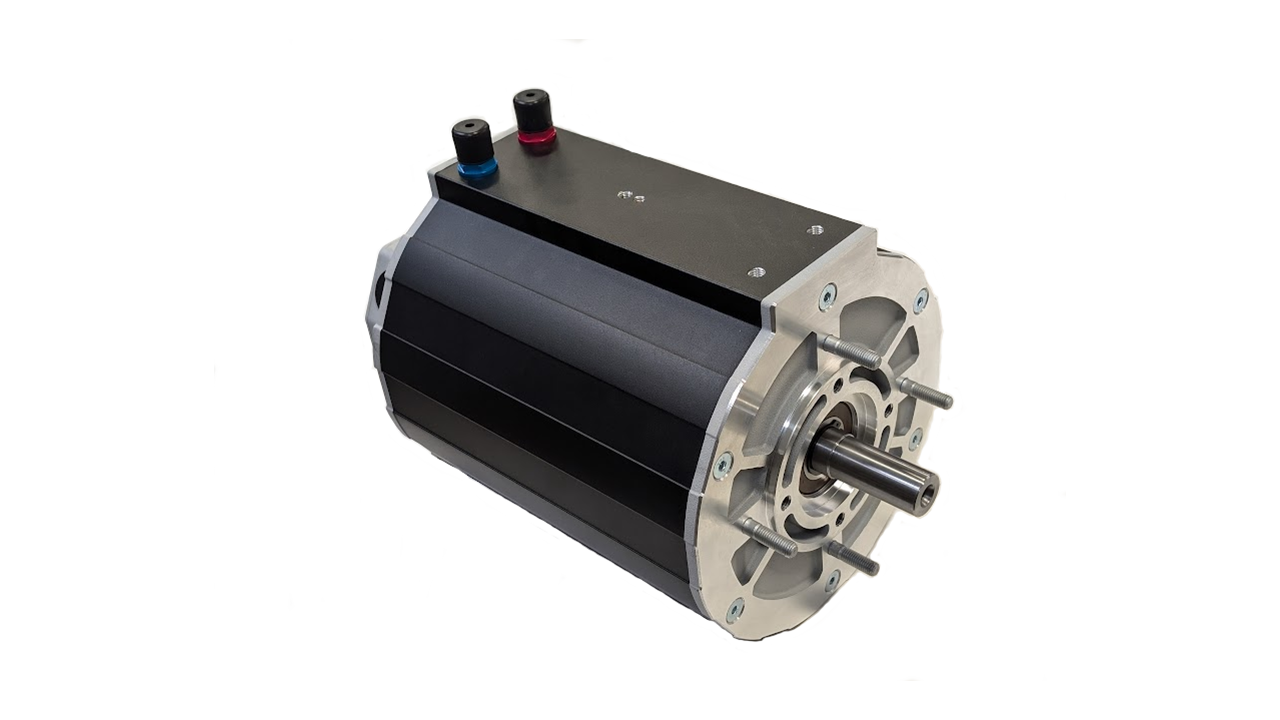
An EV powertrain is one tuned system: battery, BMS, inverter, and motor. See why the pack and BMS set the real performance ceiling.