Home / Services / Custom System Design
Quoted per project · Phased time and materials

Custom System Design

Turn application requirements into an integrated battery and electric powertrain system that can be packaged, built, tested, and improved. EVDrive supports the path from early architecture through prototype and low-volume hardware.

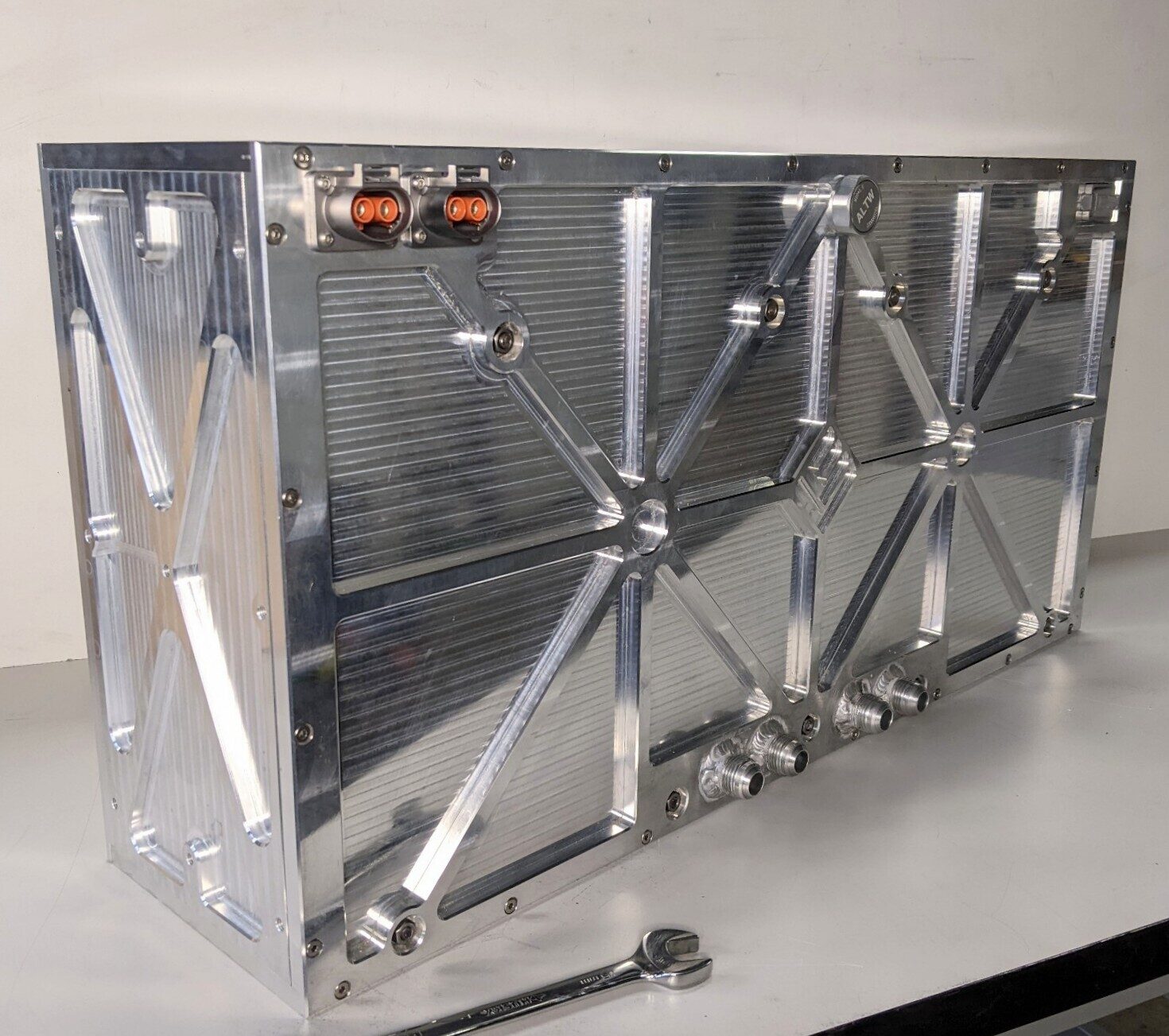
EVDrive custom high-performance battery pack with a machined aluminum enclosure and liquid-cooling interfaces
From Requirement to Hardware

A complete system, not a collection of disconnected components.

Custom battery design is a system-integration problem. Cell selection affects cooling. Voltage affects motor and inverter choices. Packaging affects serviceability, wiring, protection, and manufacturing. EVDrive brings those decisions together under one engineering scope.

The work is suited to startups, specialist manufacturers, and original equipment manufacturer (OEM) prototype or mule projects that need a functional high-performance system without standing up an internal battery team or a high-volume production line.

EVDrive's direction is standardized modules inside application-specific systems. Reusing a proven module architecture where it fits can reduce avoidable development while preserving the custom pack shape, capacity, voltage, controls, cooling, and vehicle interfaces the project requires.
Design Scope

The disciplines that must work as one system.

Each project uses a different combination of work. The design scope is set around the application, maturity of the requirements, and the hardware EVDrive is expected to deliver.

Battery architecture and protection

Cell and chemistry selection, series and parallel configuration, voltage and current margins, busbars, fusing, contactors, precharge, service disconnects, and high-voltage distribution.

Packaging, structure, and service

Module and pack layout, enclosure design, mounting, vehicle integration, mass distribution, access, sealing, vibration exposure, connector placement, machining, and fabrication.

Cooling and continuous performance

Heat-load estimates, liquid-cooling architecture, plates and interfaces, coolant flow and temperature targets, cold operation, peak versus continuous duty, and thermal test planning.

Battery management and communications

Battery management system (BMS) architecture, sensing, balancing, fault handling, contactor control, charger coordination, power distribution unit integration, and controller area network (CAN) interfaces.

Motor, inverter, and driveline integration

System voltage, motor and inverter matching, gearing, peak and continuous load, regenerative operation, cooling loops, low-voltage systems, charging, and auxiliary power.

Procurement and manufacturability

Component selection, supplier coordination, wiring, circuit boards, bill of materials, assembly sequence, tooling, test access, repeatability, prototype build, and the path to the next units.

Development Process

A staged path keeps unknowns visible and decisions reversible.

Battery projects rarely stay inside a credible fixed-price box from day one. EVDrive can divide the work into defined phases, review what was learned, and authorize the next phase with better information.

Requirements and feasibility

Document the application, duty cycle, energy and power targets, voltage, envelope, environment, interfaces, quantity, budget, and key unknowns.

Concept and trade studies

Compare system configurations, cell and module strategies, cooling concepts, voltage architecture, component choices, packaging, risk, and development effort.

Detailed integration

Develop the agreed mechanical, electrical, thermal, controls, wiring, interface, and component details needed to procure and build the prototype.

Prototype hardware

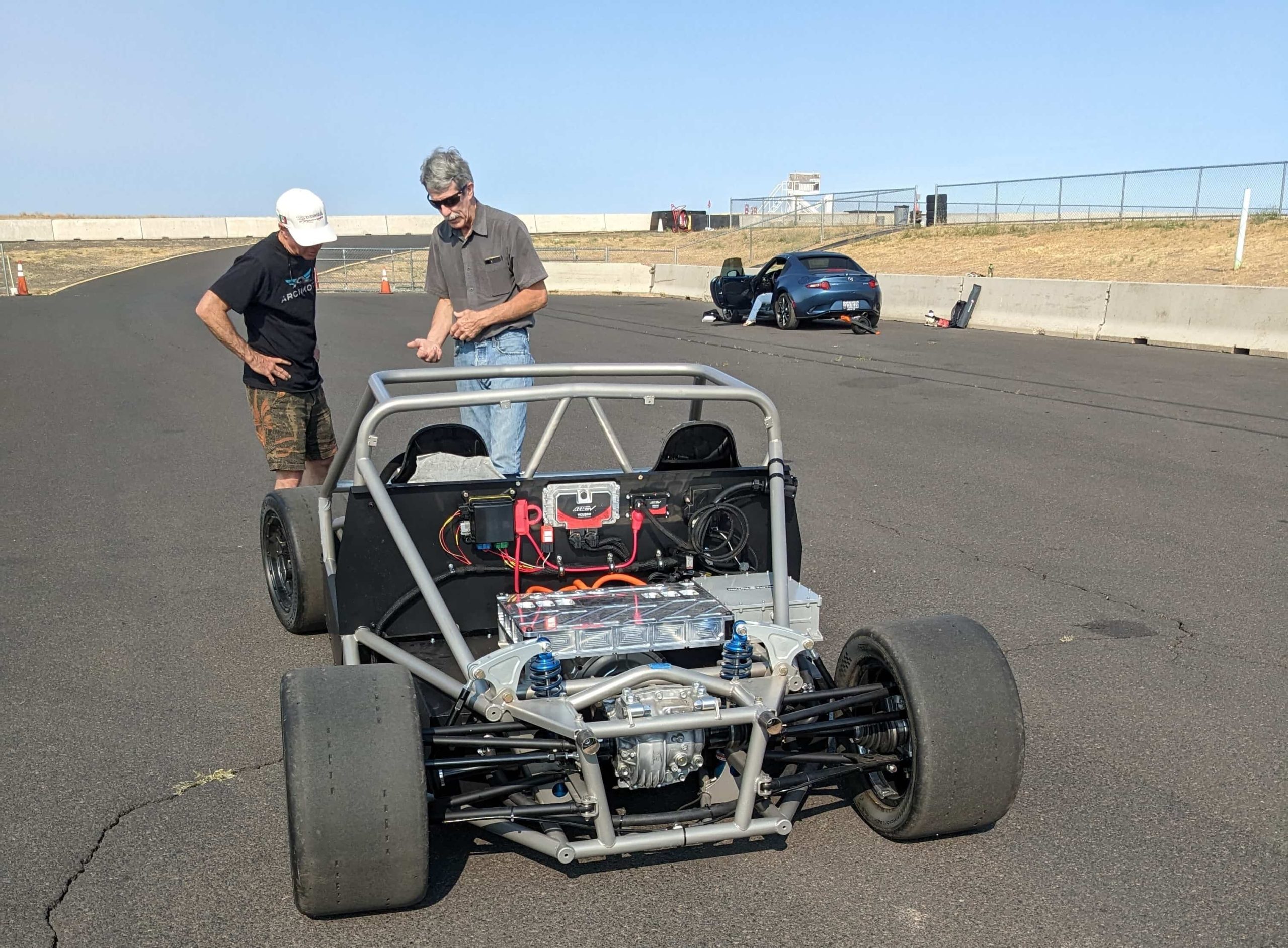
Coordinate procurement, machining, fabrication, wiring, assembly, instrumentation, and commissioning around the approved design package.

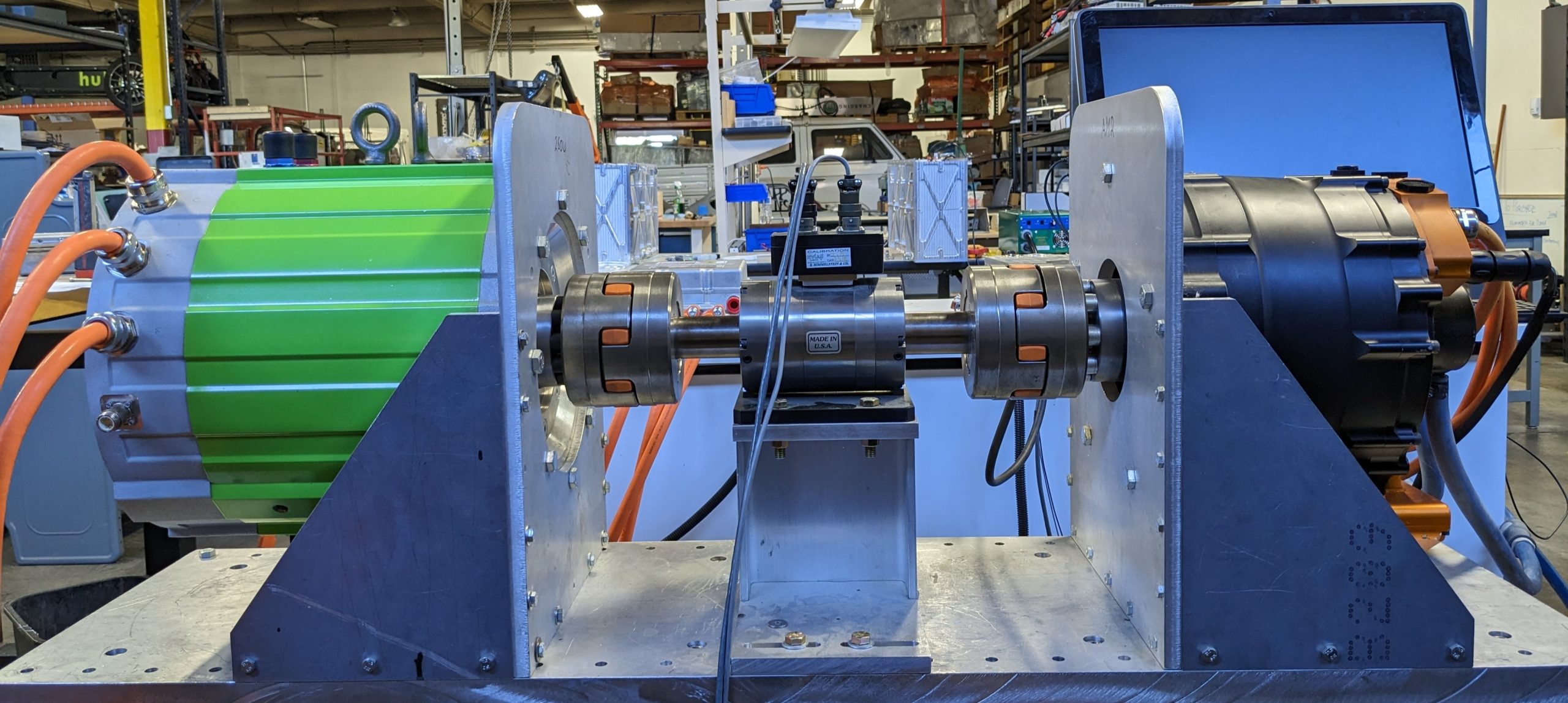
Bench and dyno testing

Exercise the system against the agreed development objectives, measure the real behavior, identify limits, and feed the findings back into the design.

Refinement and next-unit path

Resolve prototype findings, update the design record, define the next build, and determine what must change for repeatable low-volume supply or customer production.

Potential Deliverables

The design record should be useful after the first prototype.

Deliverables are selected during scoping. A consulting review will not produce the same package as a full design-and-build project.

1

System requirements and assumptions

Application targets, constraints, interfaces, design margins, open questions, and acceptance criteria.

2

Architecture and trade-study record

Configuration options, calculations, selected direction, rejected alternatives, and the engineering rationale.

3

Mechanical design artifacts

Computer-aided design (CAD), package layouts, mounting and enclosure concepts, cooling interfaces, and service considerations.

4

Electrical and controls definition

Schematics, protection strategy, high- and low-voltage wiring, communications, sensors, controls, and interface definitions as scoped.

5

Bill of materials and sourcing plan

Bill of materials (BOM), component recommendations, supplier inputs, long-lead risks, and make-versus-buy decisions.

6

Prototype or low-volume hardware

Modules, pack, wiring, controls, cooling, powertrain integration, or other agreed assemblies built for the project.

7

Development test plan and data

Test objectives, setup, measured data, observed limits, issue log, and engineering interpretation appropriate to the scope.

8

Iteration and handoff package

Updated design decisions, prototype findings, recommended changes, and the defined path for the next build or customer handoff.

The final statement of work controls scope. Items above are examples of what a complete project may include, not a promise that every engagement produces every artifact.

Project Fit

Built for demanding, non-commodity applications.

Strong fit

  • OEM prototype vehicles, mules, and low-volume specialty platforms
  • Performance automotive and motorsport systems with high discharge demands
  • Electric marine projects with sustained power and difficult packaging
  • Industrial, agricultural, mining, or heavy-equipment electrification
  • Startups with a real application but no internal battery-system team
  • Projects that need modules, packs, BMS, power distribution, and driveline integration considered together

Qualification questions

  • Is there a defined application and accountable technical owner?
  • Are the duty cycle, package envelope, and performance targets knowable?
  • Is the schedule compatible with custom engineering and prototype iteration?
  • Is there a realistic engineering and hardware budget?
  • Does the application need EVDrive's high-performance or integration capability?
  • What production quantity and documentation level will be required after the prototype?
Commercial Model

Quote the known phase. Revisit the next one with real data.

EVDrive scopes custom work on a time-and-materials or cost-plus basis because prototype projects contain real unknowns. A budgetary estimate and phase checkpoints keep both teams in control of spend and priorities.

Can EVDrive start from an incomplete concept?

Yes, when the application, responsible team, and commercial intent are real. The first phase can define requirements, test feasibility, and identify the decisions needed before detailed design.

Does every battery pack start from scratch?

No. EVDrive can use its standardized battery-module architecture where it fits, then engineer the pack shape, voltage, capacity, cooling, controls, and integration around the application. A fully custom component is used only where the project requires it.

Can EVDrive build the prototype?

Yes, prototype batteries and integrated systems are a core part of EVDrive's record. The exact hardware, quantity, documentation, and customer responsibilities are defined in the statement of work.

Can the design continue into production?

EVDrive has primarily supported prototypes and low-volume projects. The production path depends on volume, quality requirements, supply chain, documentation, tooling, testing, and whether EVDrive or the customer will own manufacturing.

Does EVDrive perform formal certification?

EVDrive can develop and validate the engineering design and help plan for the applicable requirements. Formal certification and transport-compliance testing must be performed by the appropriate qualified laboratory. Those requirements should be identified early to avoid redesign.

Bring EVDrive your requirements and unknowns.

The first conversation should establish whether the project is technically and commercially suited to a custom design engagement.

Talk to Evie about design →