Home / Services / Dyno Testing
By inquiry · Portland, Oregon

Dyno Testing

Battery-powered dynamometer testing for electric motors, inverters, modules, and packs. Define the development question, run controlled loads, and leave with data that can guide tuning, integration, or redesign.

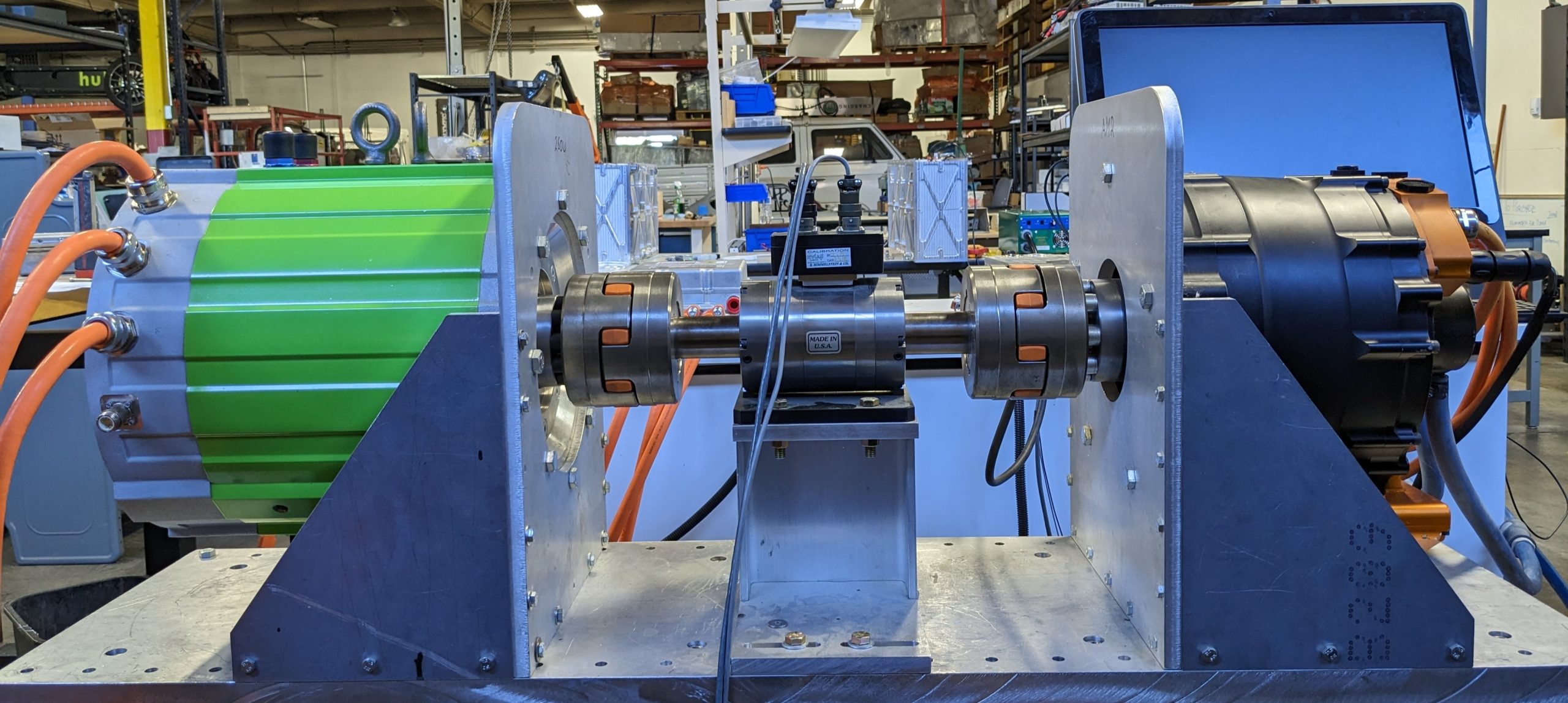
EVDrive battery-powered electric motor dynamometer test cell
Why Battery Powered

High-power testing under controlled loads.

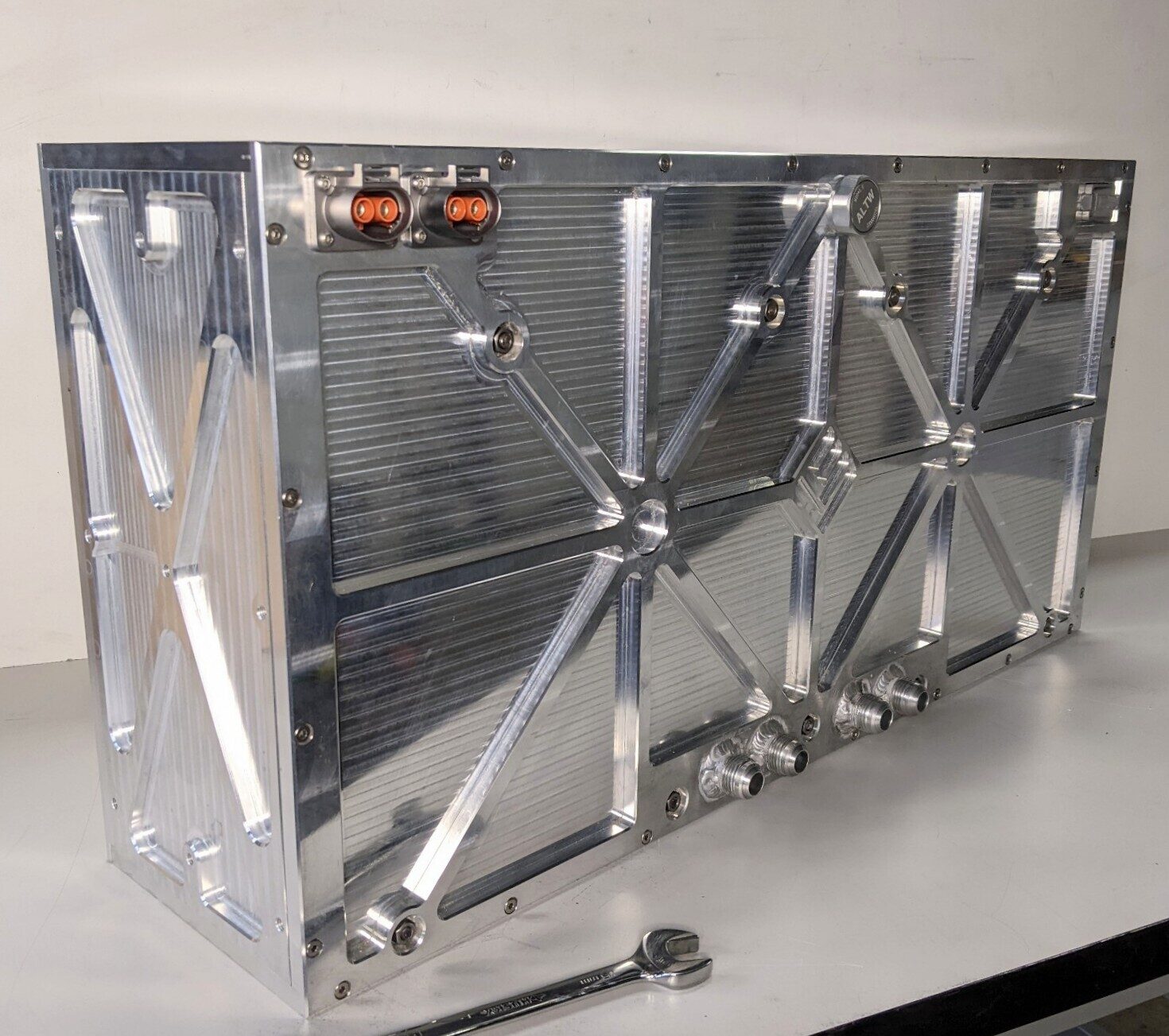
EVDrive uses a proprietary battery-powered dynamometer that can operate with substantially more current than is available from the local electrical service. This allows EVDrive to conduct high-power, demanding tests of motors, inverters, battery modules, and battery packs.

The dyno is a development tool. It can help characterize performance, compare a result with an expectation, tune a motor and inverter combination, expose a thermal limit, or reproduce a problem before the complete vehicle or machine is ready.

Every test begins with compatibility and scope. EVDrive must review the device under test (DUT), mechanical interface, speed and torque envelope, voltage and current, controls, cooling, safety provisions, and requested measurements before confirming that the test cell is a fit.
Potential Test Work

Build the test matrix around the engineering decision.

The available measurements and operating range depend on the hardware, setup, instrumentation, and safety review. A scoped development project may include the following work.

Torque, speed, and power characterization

Run controlled operating points or sweeps to understand output across the usable range and compare measured performance with the motor, inverter, and system targets.

Efficiency and loss mapping

Measure electrical input and mechanical output at agreed operating points to develop an efficiency map or identify where system losses increase.

Motor and inverter pairing

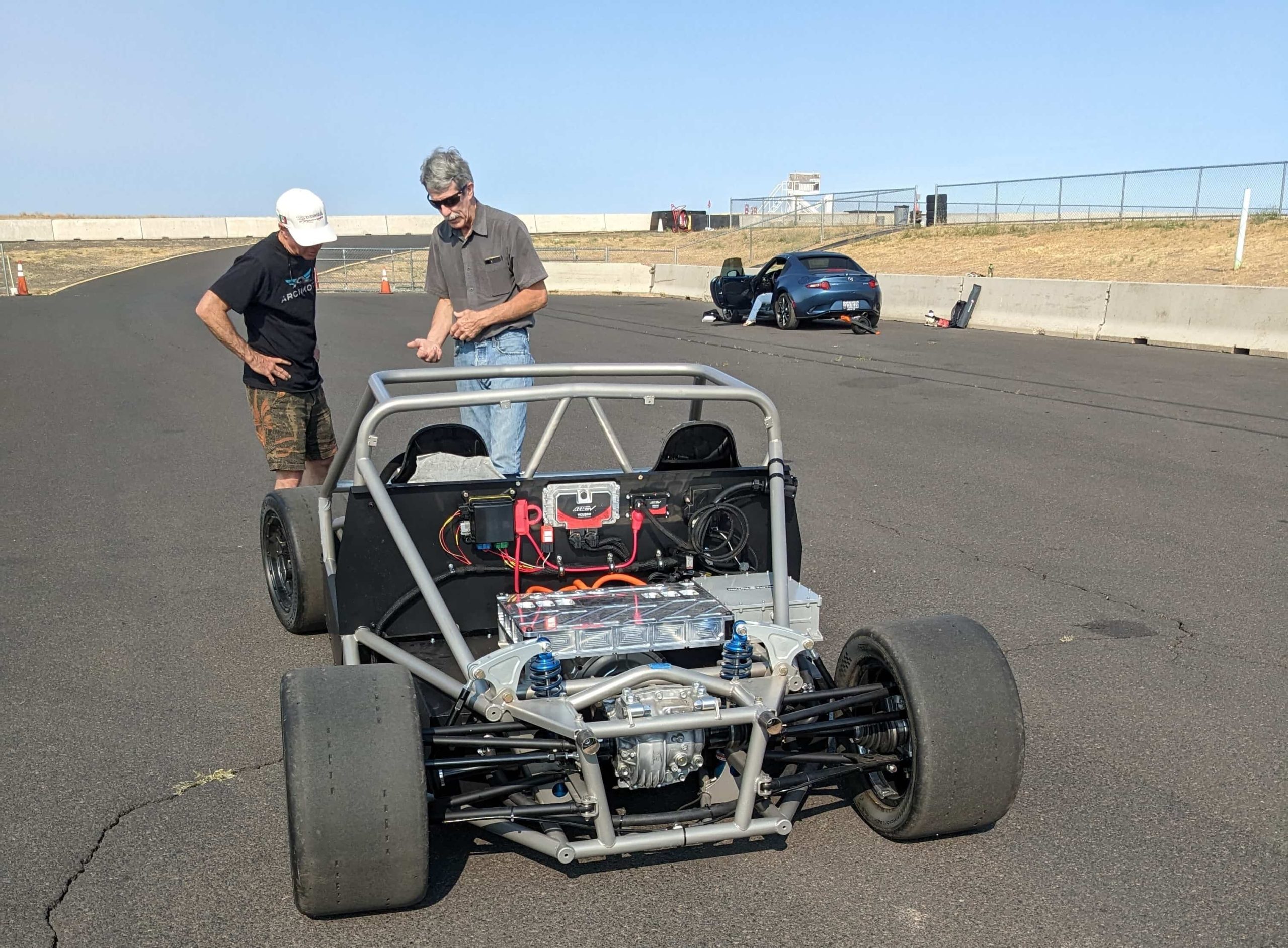
Develop or refine the motor-controller combination, operating limits, and calibration. EVDrive has used dyno testing to tune its motors with Cascadia Motion inverters.

Peak, continuous, and thermal behavior

Observe temperature response and performance under sustained load, identify when thermal constraints appear, and distinguish a short peak rating from repeatable continuous output.

Module and pack load testing

Apply a defined load profile to investigate voltage behavior, discharge performance, thermal response, controls, or integration questions at the module or pack level.

Integration and fault investigation

Reproduce a problem in a controlled environment, correlate electrical, mechanical, thermal, and control data, and identify the next engineering change or confirmation test.

Test Process

Plan the run before hardware enters the cell.

A useful dyno session is more than making the motor spin. The objective, operating boundaries, instrumentation, and expected output must be agreed first.

Define the question

State what decision the data must support: verification, mapping, tuning, thermal characterization, fault reproduction, or a comparison between configurations.

Confirm compatibility

Review the DUT data, limits, mechanical coupling, inverter and controls, cooling, battery or direct current (DC) source, protection, and safe operating conditions.

Agree on test points

Define the operating sequence, speed and torque points, load duration, thermal conditions, limits, stop criteria, channels, and data format.

Install and baseline

Prepare the mechanical and electrical interfaces, cooling, controls, sensors, and data acquisition, then complete baseline and low-risk checks.

Execute controlled tests

Advance through the approved matrix, monitor the system, record conditions and anomalies, and pause when a limit or unexpected behavior requires review.

Review the data

Organize the scoped data, identify meaningful behavior and limits, and connect the findings to tuning, integration, design, or the next test.

What to Send

A complete test request is easier to qualify and quote.

1

Device and objective

Identify the motor, inverter, module, pack, or integrated assembly and the engineering question to be answered.

2

Operating envelope

Voltage, current, power, speed, torque, peak duration, continuous target, and all manufacturer limits.

3

Mechanical interface

Drawings, shaft and coupling information, mounting, rotation, inertia, alignment, and any required fixtures or adapters.

4

Controls and communications

Inverter details, firmware, command method, controller area network (CAN) messages, sensors, interlocks, and fault behavior.

5

Thermal requirements

Coolant type, inlet temperature, flow, pressure limits, heat-rejection expectations, and measurement locations.

6

Requested output

Required plots, maps, raw channels, summary, comparison points, decision threshold, and any customer test procedure.

Potential Outputs

Data packaged around the agreed development scope.

The statement of work defines the instrumentation, accuracy, channels, processing, and reporting. Depending on the test, the output may include:

Measured and documented

  • Test setup, configuration, and operating conditions
  • Torque, speed, mechanical power, voltage, current, or electrical power as instrumented
  • Temperature and cooling observations at agreed points
  • Raw or processed data channels defined in the test matrix
  • Efficiency, loss, performance, or thermal plots as scoped

Engineering interpretation

  • Observed peak and continuous behavior within the tested range
  • Thermal limits or derating behavior seen during the run
  • Motor and inverter tuning observations
  • Differences between expected and measured behavior
  • Recommended tuning, design changes, or follow-on tests

EVDrive will not imply measurement channels, accuracy, calibration status, or test coverage that are not included in the approved test plan.

Development Boundary

Characterization is not certification.

EVDrive's dyno service supports engineering development, tuning, performance characterization, and troubleshooting. Certification, homologation, and regulatory compliance testing require the appropriate accredited laboratory and standard.

What can EVDrive test?

Potential test candidates include electric motors, inverters, motor-inverter combinations, battery modules, battery packs, and selected integrated systems. Compatibility must be confirmed from the specifications and requested operating range.

What does battery-powered dyno mean?

The dyno uses a battery energy source to provide the current needed for demanding electrical loads beyond the capacity of the local building service. This supports high-power development testing without presenting the dyno itself as a product for sale.

Can EVDrive produce an efficiency map?

Potentially. Efficiency mapping requires suitable torque, speed, electrical-power measurement, operating-point coverage, controls, and thermal conditions. EVDrive will confirm the feasible range and data package during test planning.

Does dyno testing replace vehicle validation?

No. A dyno provides controlled and repeatable component or subsystem data. Final validation still needs the complete vehicle or machine in its real operating environment.

How are schedule and price set?

EVDrive first reviews the DUT, compatibility, fixtures, controls, safety, instrumentation, test matrix, and requested outputs. The resulting setup and engineering effort determine the quote and schedule.

Start with the device, operating limits, and test objective.

EVDrive will review compatibility before proposing a setup, test matrix, schedule, and data package.

Talk to Evie about a test →